
In August, Viator updated its global supplier agreement. The new terms confirm that Viator and its channel partners can set the final retail price of the experiences they sell. Those partners range from airlines and banks to other booking sites. In the same month, Tripadvisor announced that part of its catalogue would soon be bookable on Airbnb.
For tour, activity and attraction operators, the result is simple. A ticket sold on another platform can now carry a price you never chose, and the OTA still takes its cut before the guest arrives. Walking away from that reach rarely makes sense, but it does change the role of your own channels. They are now the only places where you control the price, the offer and the guest relationship. These five moves will help you take that control back.
Set your own price, and let demand shape it

If platforms can discount your listing, your own website is where your pricing strategy should live. Sydney Tower Eye shows how simple this can be. Its ticket page lists general admission from $29 online, against $39 on the day. However, the saving of up to 25 per cent applies only to bookings made a day ahead on weekdays outside school holidays.
That single rule rewards direct bookers and fills quiet days without discounting busy ones. Our article on how pre-booking data cuts wage waste shows how timed sessions can spread demand in the same way. Tours and activities can apply the same idea, with a sharper online price on weekday departures and full price on weekends. The logic extends to inventory, too. Let OTAs fill your quiet weekday slots, and keep school holiday departures and sessions for guests who book direct.
Count what your direct channel really costs
Growing direct bookings already tops operators' priority lists, as we covered in How ANZ Operators Are Driving Direct Bookings in 2026. Yet many operators overlook what their own direct channel costs to run. Plenty of booking systems take a percentage of every booking made on your website.
Those fees add up quickly. At 200 direct bookings a month averaging $40, the commission-based models in Nabooki's savings calculator charge between $160 and $480 a month. A flat $79 subscription keeps up to $4,812 a year in the business, before payment processing and GST.
Once you know those costs, the cheapest routes to a guest become clear. Google Things to Do places your own booking link in Google Search and Maps. That visibility matters more as OTAs move into AI assistants, and Viator became the first experiences app connected to Google Gemini in July. Local partners can help as well. Through Nabooki’s agent portal, concierges and visitor centres get their own login to book your live inventory. You set the commission splits, and their daily recommendations turn into bookings.
Give guests a reason to come to you first
Guests need a reason to book direct, and Tangalooma Island Resort gave its whale watching guests a clear one. Its whale watching page offered an Earlybird Saver on the Classic cruise at $115 per adult, against a listed standard price of $165. The offer applied only to new direct bookings made at least 14 days ahead. On top of that, the discount was applied automatically on Tangalooma's own booking website.
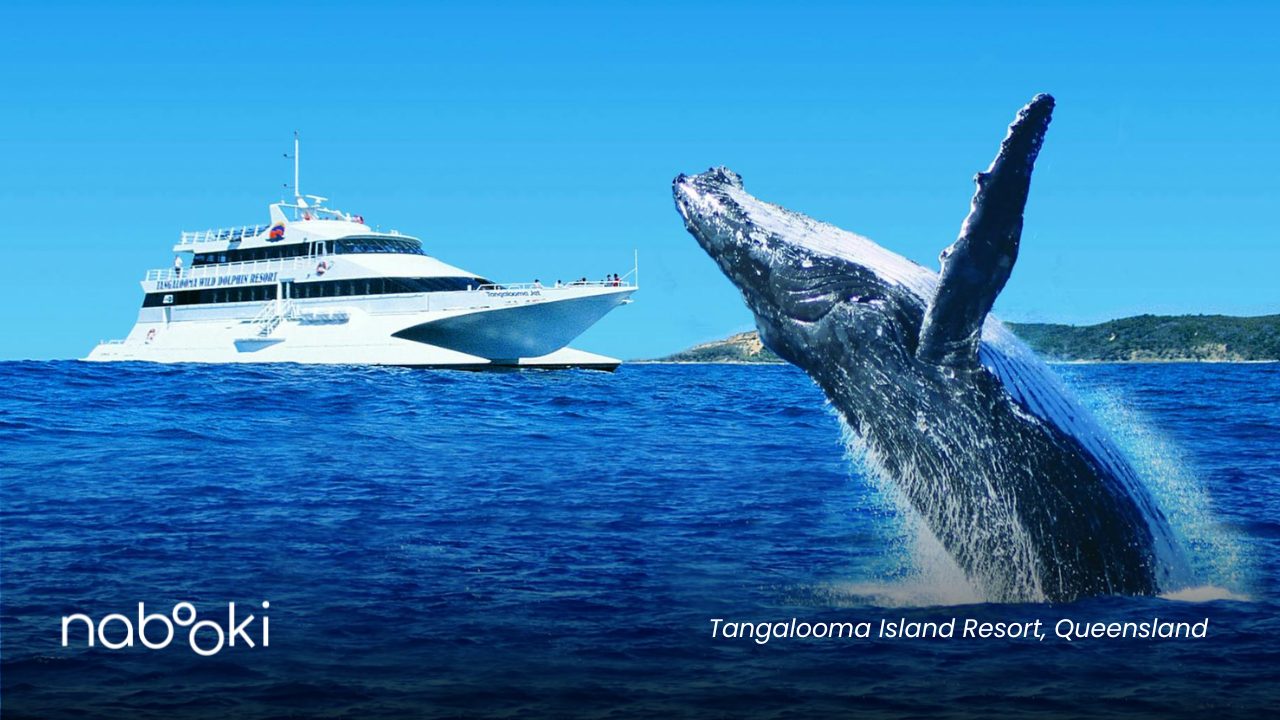
In our view, that offer works on several levels. It gives guests a reason to skip third-party sites, keeps the discount to a single product, and locks in numbers well before the day. You can borrow the same playbook without a big marketing budget. Focus your best direct offers on high-value bookings such as family passes, group bookings and private tours, and tell guests plainly what they gain by booking with you. Before changing any prices, check your OTA agreements for price parity terms.
Sell the whole experience, not just the ticket
An OTA listing sells your base ticket or tour, but your own checkout can sell the whole day. In research published in September 2026, Arival tested seven attraction upsells with 2,550 US and European travellers. It found that three in four attraction visitors want upsells. Meanwhile, Booking.com's 2027 Travel Predictions found that 66 per cent of travellers want packages that let them remove services they won't use.
Together, these findings point to a guest who will spend more when they choose what they pay for. Optional extras at your checkout, such as hotel pickup, lunch, a guided tour or a photo package, lift the value of every commission-free booking. Our guide to packaging and bundling shows how to set them up.
Win OTA guests back on the day
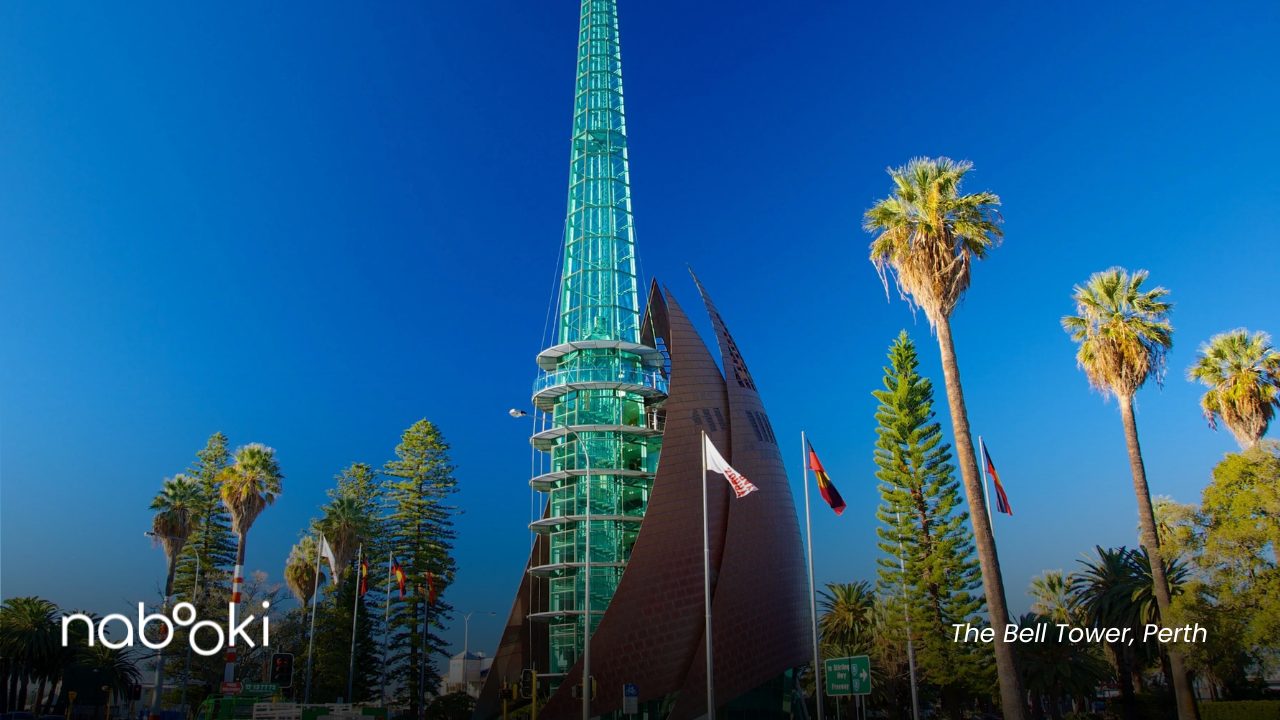
Every OTA booking still ends with a guest at your gate or departure point, and no platform controls that moment. OTA guests often arrive as little more than a name on a voucher. The visit itself is therefore your best chance to start a direct relationship. Try an annual pass offer as guests leave, a discount on another tour or activity, an email sign-up tied to their photo package, or a return-visit voucher redeemable only on your website. Handled well, this year's commissioned guest becomes next year's direct booking.
Keeping control of your margin
Keeping control of your margin doesn't mean cutting OTAs off. It means owning the price, the offer and the guest relationship on the channels you run. Nabooki was built for exactly that. You pay a simple monthly subscription, with no commission on direct bookings and no hidden checkout surcharges, so you keep 100 per cent of your direct revenue.
Packages and add-ons sit inside a fast mobile checkout on your existing website. Bookings from Viator, GetYourGuide and Klook flow into the same live calendar as your direct sales. Meanwhile, Google Things to Do and our agent portal open up lower-cost channels. Book a demo to see how much more of every booking you could keep.
